Source Motor Trailer Mounted Concrete Pump for High-Rise, Road, and Tunnel Projects
Compare 30 motor trailer mounted concrete pump options from verified Chinese manufacturers. Evaluate specifications like delivery height, horizontal distance, and productivity to find the right stationary or mobile solution for construction engineering needs.
Key considerations
Products List

$18000.00 - $35000.00
Moq: 1


Diesel Concrete Pump Electric Trailer New Mobile Mini Concrete Pump with Mixer
$15000.00 - $28000.00
Moq: 1




Comprehensive Sourcing Guide
Strategic Sourcing Guide for Motor Trailer Mounted Concrete Pumps
Understanding the Technical Landscape of Diesel Concrete Pumping Systems
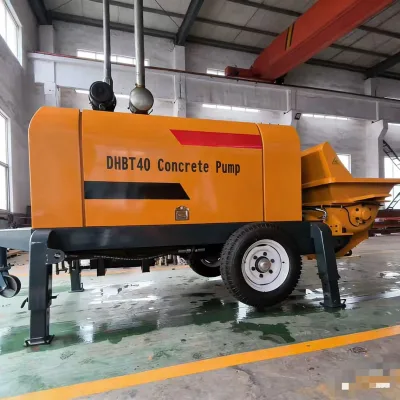
The motor trailer mounted concrete pump represents a critical piece of equipment in modern construction engineering, designed to bridge the gap between stationary pumping infrastructure and the mobility required for diverse job sites. When sourcing these units, buyers must first distinguish between the primary operational configurations observed in the market, specifically the distinction between wet and semi-dry shotcrete types, although the core function remains the pumping of concrete. The fundamental architecture of these machines often relies on a cylinder type structure, which facilitates the hydraulic process necessary for moving materials. This hydraulic machining process is the heart of the unit, converting engine power into the mechanical force required to push concrete through pipelines.
A critical technical differentiator is the power source. The majority of these units are powered by diesel engines, providing the necessary autonomy for sites without immediate grid access. The engine power ratings observed in current listings vary, with specific models indicating outputs such as 56kw, which directly influences the machine's ability to maintain consistent pressure and flow rates. The conveying capacity is another vital metric, with observed ranges spanning from 30 to 80 cubic meters per hour. This variability allows buyers to select a unit that matches the specific throughput requirements of their project, whether it is a small residential foundation or a large-scale commercial high-rise.
The physical dimensions of the pump are equally significant for logistics and site placement. Standard configurations often feature dimensions around 4000mm in length, 2150mm in width, and 2200mm in height, though variations exist, such as units measuring 4500mm by 1950mm by 2200mm. The weight of these machines is a crucial factor for transportation; observed weights range from 2500kg to 5000kg, impacting the choice of towing vehicle and the stability of the unit during operation. The hopper capacity, typically around 700L, ensures a sufficient reservoir of material to maintain continuous pumping cycles without frequent interruption. Furthermore, the oil tank capacity, observed at 260L in specific models, dictates the operational endurance between refueling stops, which is essential for long-duration pours.
Compliance, Certification, and Safety Standards Verification
When evaluating motor trailer mounted concrete pumps, verifying compliance with international and regional safety standards is paramount. Buyers should prioritize suppliers who can provide documentation for ISO9001 certification, which indicates a commitment to quality management systems. Additionally, the CE mark is a frequently cited certification in the market, signifying that the product meets the health, safety, and environmental protection standards for products sold within the European Economic Area. The presence of these certifications is not merely a formality; it serves as a baseline indicator that the manufacturer adheres to rigorous production protocols.
Beyond general certifications, the machinery test report is a specific document that buyers must request. This report provides empirical evidence of the pump's performance under controlled conditions, validating claims regarding delivery pressure, height, and distance. For instance, specific models have been observed to offer delivery pressures of 10MPa, with vertical conveying distances reaching up to 120m and horizontal distances extending to 500m. However, these figures are model-specific and should not be assumed to apply to all units. Buyers must verify that the test report corresponds to the exact model number, such as DHBT50 or DD-CP001, rather than relying on general category data.
The warranty of core components is another critical compliance metric. A standard warranty period of 1 year is observed for key parts, which protects the buyer against early-life failures. However, the scope of this warranty must be clearly defined in the contract. Buyers should also inquire about the after-sales service provisions, specifically looking for video technical support capabilities. This form of remote assistance can significantly reduce downtime by allowing technicians to diagnose issues without the immediate need for on-site visits. The provision of a machinery test report, combined with valid certifications and a clear warranty structure, forms the triad of compliance that any serious buyer should demand before finalizing a procurement decision.
Cost Drivers and Financial Considerations in Procurement
The pricing of motor trailer mounted concrete pumps is influenced by a complex array of factors, resulting in a significant variance in the market. Observed price ranges for these units span from 800 USD to 80,000 USD, reflecting the vast differences in capacity, brand reputation, and feature sets. The lower end of this spectrum typically corresponds to smaller, less powerful units with basic functionality, while the upper end includes high-capacity models with advanced hydraulic systems and extended warranties. Understanding this range is essential for budgeting, as the cheapest option may not provide the necessary productivity for large-scale projects, leading to higher long-term costs due to inefficiency.
Productivity is a primary driver of cost. Units with a productivity rating of 50 cubic meters per hour command a higher price point compared to those rated at 35 cubic meters per hour. The buyer must align the purchase price with the operational requirements of the project; a high-productivity pump is a capital investment that pays for itself through faster completion times on large jobs. Similarly, the maximum conveying distances directly impact the price. A pump capable of a vertical distance of 200m and a horizontal distance of 1500m is a specialized asset that will cost significantly more than a unit limited to 100m vertical and 200m horizontal reach.
The packaging and shipping method also contribute to the total cost of ownership. Observed packing methods include nude packing with anti-rain cloth or wooden cases and containers. While nude packing may reduce the initial purchase price, it requires the buyer to arrange for protective measures during transit, potentially adding hidden costs. Conversely, wooden case or container packing offers superior protection but increases the freight volume and cost. Additionally, the origin of the product, such as Hunan, China, influences the logistics costs and lead times. Buyers should calculate the total landed cost, including freight, insurance, and customs duties, rather than focusing solely on the ex-factory price. The minimum order quantity (MOQ) is typically 1 unit, which allows for flexibility in procurement but requires careful evaluation of the unit price at that volume.
Typical Applications and Operational Scenarios
Motor trailer mounted concrete pumps are versatile tools designed for a wide array of construction engineering applications. Their primary function is pumping concrete, making them indispensable for projects where the concrete needs to be transported over distances or to heights that are inaccessible by manual labor or standard mixers. The high operating efficiency of these machines makes them particularly suitable for large-scale infrastructure projects, such as bridges, tunnels, and high-rise buildings. The ability to handle a maximum aggregate size of less than 40mm ensures compatibility with a broad range of concrete mixes, from standard structural concrete to specialized formulations.
The mobility of the motor trailer mounted design allows these pumps to be easily transported between sites, making them ideal for contractors who manage multiple projects simultaneously. The diesel engine power type ensures that the pump can operate independently of the site's electrical infrastructure, which is often a constraint in remote or developing construction zones. The specific model variants, such as those with models Dd30/40/50/60/80/90, cater to different project scales. For instance, a Dd30 unit might be used for smaller residential foundations, while a Dd90 unit would be deployed for major commercial skyscrapers requiring high-volume, high-pressure pumping.
The application extends to shotcrete operations as well, with some models supporting both wet and semi-dry shotcrete types. This versatility allows a single fleet of pumps to handle various aspects of a construction project, from structural pouring to surface finishing. The unique selling point of high operating efficiency translates directly into cost savings and project timeline adherence. By selecting a pump with the appropriate conveying capacity and distance capabilities, buyers can ensure that the equipment is not underutilized or overburdened, optimizing the return on investment for their construction operations.
Supplier Evaluation and Quality Control Protocols
Evaluating a supplier for motor trailer mounted concrete pumps requires a rigorous approach that goes beyond simple price comparison. Buyers should prioritize suppliers who demonstrate transparency in their manufacturing processes and provide comprehensive documentation. The availability of a machinery test report is a non-negotiable quality control metric. This document should detail the results of performance tests, including delivery pressure, height, and distance, to ensure the unit meets the advertised specifications. Buyers must verify that the test report is recent and corresponds to the specific serial number or model of the unit being purchased.
The certification status of the supplier is another critical factor. Suppliers with ISO9001 and CE certifications have demonstrated adherence to international quality standards. However, buyers should not rely solely on the presence of these marks; they should request copies of the actual certificates and verify their validity with the issuing bodies. The warranty of core components, typically 1 year, should be clearly outlined in the sales contract, specifying what is covered and what constitutes a valid claim. Suppliers who offer video technical support as part of their after-sales service demonstrate a commitment to long-term customer satisfaction and operational continuity.
Quality control should also extend to the physical inspection of the equipment. Buyers should verify the condition of the machine, ensuring it is listed as "New" and inspecting the chassis model, which may be "Without" a specific chassis in some configurations. The packaging method, whether nude packing with anti-rain cloth or wooden case/container, should be assessed for its ability to protect the equipment during transit. Additionally, the brand reputation, such as Dingdian, can serve as an indicator of quality, but buyers should conduct independent due diligence to confirm the brand's track record in the market. The location of the manufacturer, such as Hunan, China, should be considered in the context of logistics and potential supply chain disruptions.
Long-Term Procurement and Maintenance Strategies
Procuring a motor trailer mounted concrete pump is a long-term investment that requires careful planning for maintenance and lifecycle management. The engine power, typically diesel, necessitates a regular maintenance schedule to ensure optimal performance and longevity. Buyers should establish a relationship with the supplier that includes access to genuine spare parts and technical support. The availability of video technical support is a valuable asset for troubleshooting issues remotely, but having a local network of service providers is equally important for physical repairs.
The warranty of core components is a starting point for maintenance planning, but buyers should consider extending coverage or purchasing service contracts for critical parts. The high operating efficiency of these pumps depends on the proper functioning of the hydraulic system and the engine. Regular inspections of the hydraulic fluid, engine oil, and filters are essential to prevent costly breakdowns. The maximum pump times, observed at 24 times per minute in some models, indicate the intensity of the work the machine can handle, and adherence to the manufacturer's operating limits is crucial to avoid premature wear.
Lead times and delivery conditions are also long-term considerations. While the observed lead times may vary, buyers should plan their procurement schedule to align with project timelines. The delivery pressure, height, and distance capabilities should be matched to the project's evolving needs, ensuring that the pump remains relevant throughout the construction phase. The unique selling point of high operating efficiency should be maintained through diligent care and timely maintenance. By adopting a proactive approach to procurement and maintenance, buyers can maximize the utility of their motor trailer mounted concrete pumps and ensure a high return on investment over the life of the equipment.
FAQs
What certifications do motor trailer mounted concrete pumps have?
These pumps typically hold ISO9001 and CE certifications to ensure quality and safety standards. Buyers should verify the specific certification status for each model, as some listings explicitly mention both marks while others may only list ISO9001 for new condition units.
How is the concrete pumped in these diesel engine units?
The pumping process utilizes a hydraulic machining process with a cylinder type structure. This system converts diesel engine power into mechanical force to move concrete, with some models supporting wet or semi-dry shotcrete types depending on the specific configuration.
What is the maximum vertical conveying distance for these pumps?
The maximum vertical conveying distance varies by model, ranging from 100 meters to 200 meters. Specific units may achieve delivery heights up to 120 meters, so buyers must check the test report for the exact model to confirm its vertical reach capabilities.
Can these pumps be customized for specific project needs?
Yes, customization is available for motor trailer mounted concrete pumps to meet specific requirements. Buyers should inquire about available modifications for capacity, dimensions, or power type, as the standard models come with fixed specifications like 56kw engine power or 700L hopper capacity.
What warranty is provided for the core components of the pump?
A standard warranty of 1 year is provided for the core components of these machines. This warranty protects against early-life failures, and buyers should also check for after-sales services like video technical support to ensure ongoing operational assistance.
How much does a motor trailer mounted concrete pump cost?
The price range for these pumps spans from 800 USD to 80,000 USD depending on capacity and features. Lower prices often correspond to basic models with lower productivity, while high-efficiency units with greater conveying distances command higher prices in the market.
Where are these concrete pumps manufactured and shipped from?
These units are primarily manufactured in Hunan, China, with some listings specifying China as the origin. The packaging varies between nude packing with anti-rain cloth or wooden cases, which affects shipping logistics and the total landed cost for international buyers.